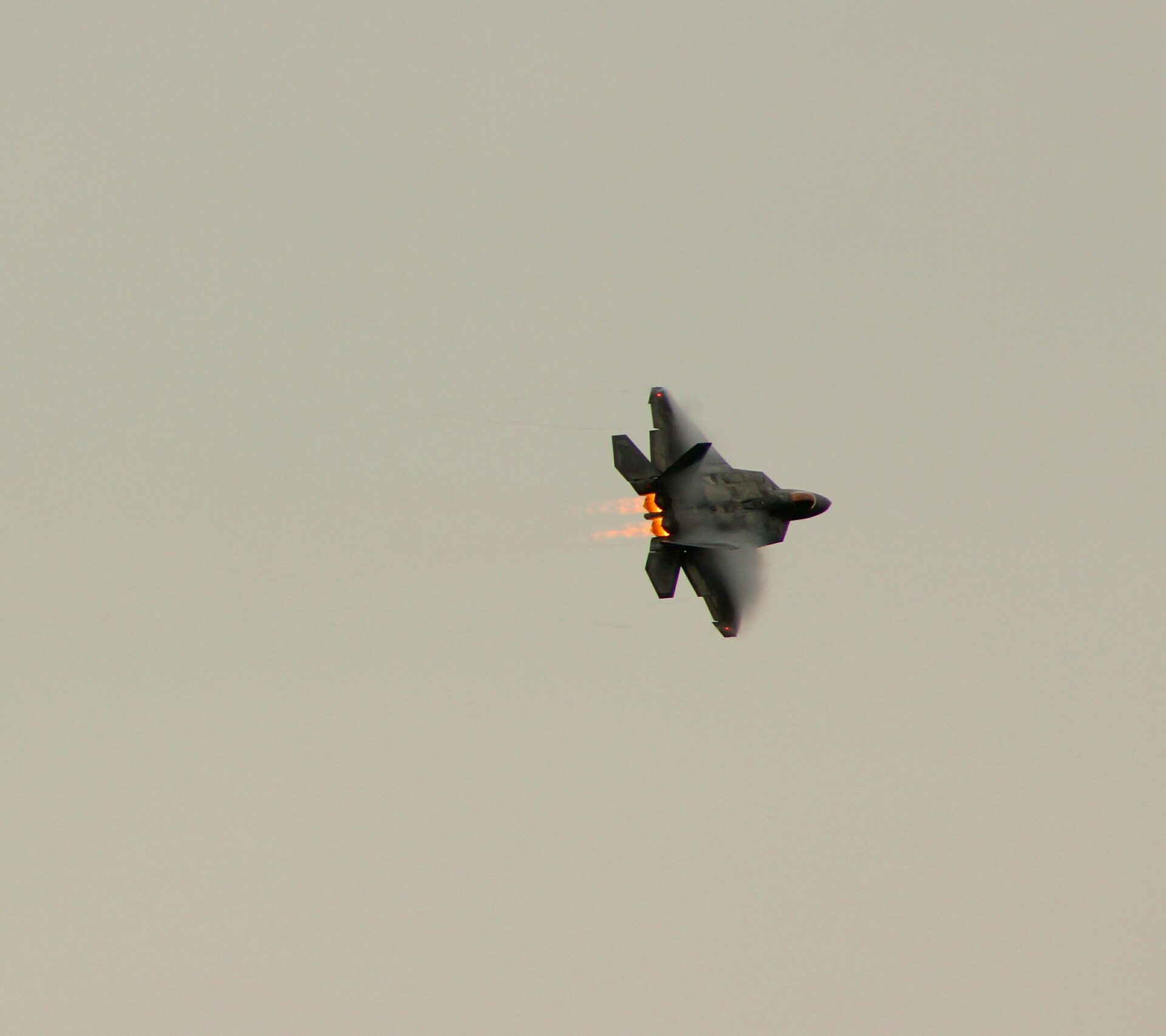
Structural analysis, fatigue modelling, and thermofluid systems engineering for defence, aerospace, and energy infrastructure.
Actively seeking 2026/27 summer internships and undergraduate engineering roles: aerospace, defence, energy, and advanced manufacturing.
Design audit and fatigue analysis of a welded leaf spring rear hanger bracket on a 750 kg ATM trailer. Five load cases, lever arm analysis identifying the rear bracket as critical, and full weld group characterisation from first principles.
Modified Goodman infinite life verification with Kf = 2.7 for as-welded geometry and C300 steel. Fatigue FoS: 6.33. ANSYS mesh convergence and boundary condition sensitivity study quantify a 40% stress reduction when modelling realistic RHS rail flexibility.
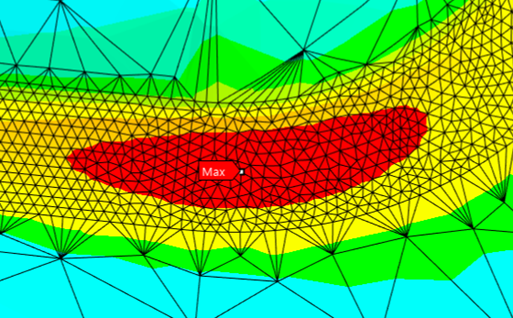
I am a third-year Mechanical Engineering (Honours) student at QUT with an Aerospace Minor. My approach to engineering is grounded in first principles: I decompose systems into their load paths, failure modes, and energy flows before touching any software, then validate analytically before committing to FEA or CAD.
My technical work spans structural analysis, fatigue modelling, kinematics, aerodynamics, and thermodynamics: the same first-principles physics that governs thermal management and energy flow in any high-density system, whether that is a turbine, a weld group, or a data centre. I maintain a deep interest in Australian sovereign defence capability and the engineering behind platforms that define it, and an equal interest in the physical constraints now reshaping energy infrastructure: the power density, cooling, and grid-capacity limits behind the AI buildout. I want to contribute directly to programmes like the MQ-28A Ghost Bat and AUKUS Pillar II advanced capabilities, or to the structural and thermal engineering problems facing energy majors and infrastructure consultancies as demand scales.
Outside coursework, I was one of two aerostructural leads on a QUT Aerospace Society design team developing a twin-boom, tractor-and-pusher, hand-launched autonomous UAV from blank-sheet conceptual design. I led configuration trade studies across propulsion layouts, tail arrangements, and airframe architectures, and drove the airfoil selection process evaluating Selig, Eppler, Drela, and NACA families at Re ~110k, ultimately recommending NACA 4412. The project reached a design-and-sizing milestone: structure, sizing, and configuration finalised in CAD at a 529 g takeoff weight under a 750 g ceiling, with no physical build completed.
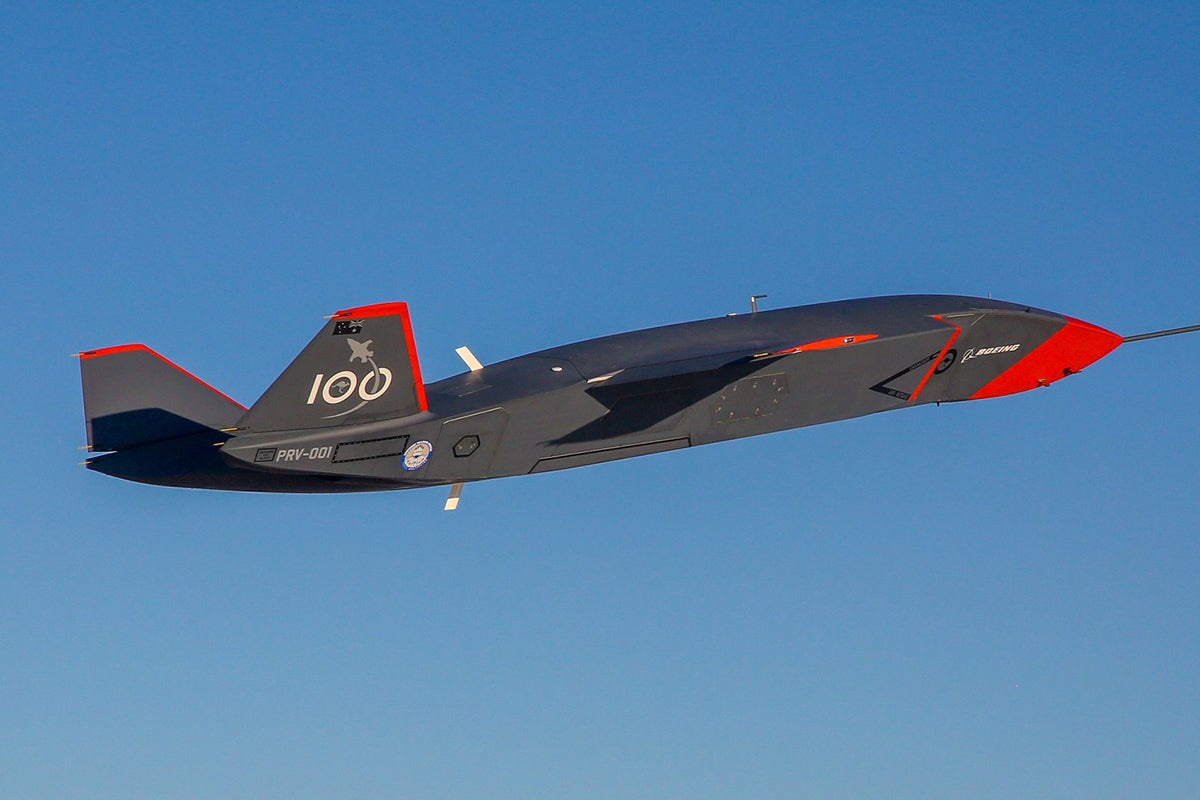
Systems-level analysis of Boeing Australia's loyal wingman programme and its role in Australian sovereign capability.
→ Read articleHow mass-manufactured hardware, the Lattice autonomy stack, and a procurement model built to move at software speed are letting Anduril challenge the traditional prime playbook.
Compute scaling is bounded by thermodynamics and energy supply, not chip design. An engineering read on what that means for the datacentre buildout.